02 Feb 2026
Difference Between DV and OV SSL Certificates: Why Enterprises Must Choose OV by Default
Introduction
SSL certificates are no longer just about encrypting traffic.
For enterprises, SSL has become a foundational cybersecurity control—scrutinized during infrastructure audits, compliance reviews, vendor risk assessments, and governance evaluations.
Yet many organizations still rely on Domain Validation (DV) SSL, assuming encryption alone is sufficient.
In 2026, that assumption no longer holds.
The Misconception: “OV SSL Is Only Needed for Payments”
A common belief persists:
“We don’t process payments, so DV SSL is enough.”
From a cybersecurity and audit standpoint, this is incorrect.
Modern audits do not evaluate SSL based on payment flow.
They evaluate it based on:
- Identity assurance
- Attack surface reduction
- Governance maturity
- Infrastructure ownership clarity
DV SSL: Why It Fails Enterprise Security Expectations
DV SSL validates only domain control.
It does NOT verify:
- The legal entity behind the website
- Organizational ownership
- Infrastructure accountability
- Risk ownership
From an audit lens, DV SSL introduces gaps:
- ❌ No verified business identity
- ❌ Weak protection against impersonation
- ❌ Poor alignment with security frameworks
- ❌ Limited forensic and accountability value
This is why DV SSL is increasingly viewed as consumer-grade encryption, not enterprise-grade security.
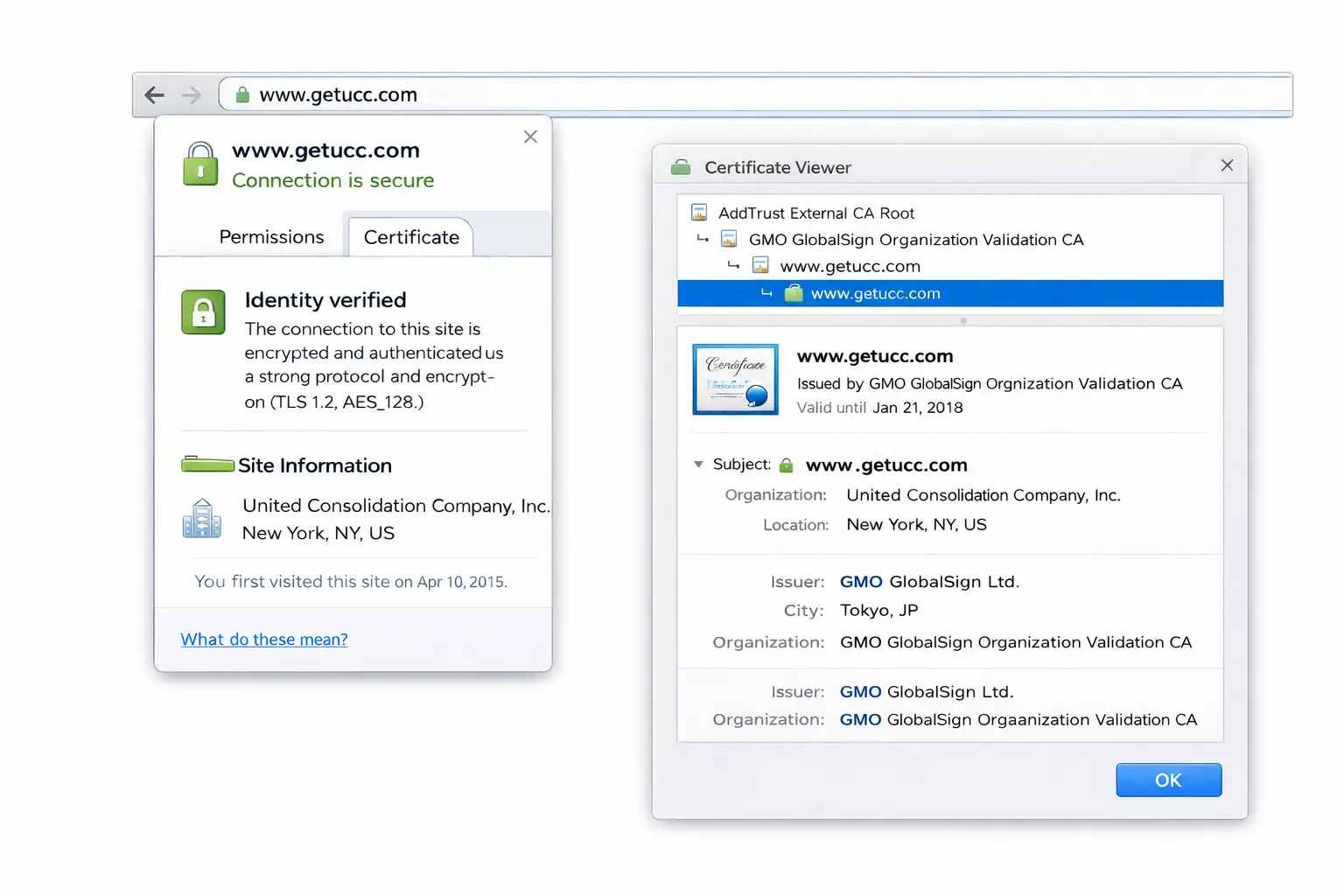
OV SSL: An Enterprise Identity Control
OV SSL verifies:
- Legal business existence
- Registered organization name
- Physical address and contact validation
- Domain-to-entity binding
This transforms SSL from:
“Encrypted traffic”
into
“Verified digital identity.”
DV vs OV SSL — Infrastructure & Audit Perspective
| Security / Audit Parameter | DV SSL | OV SSL |
|---|---|---|
| Encryption | ✅ | ✅ |
| Organization Identity | ❌ | ✅ |
| Impersonation Resistance | Weak | Strong |
| Infrastructure Ownership Clarity | ❌ | ✅ |
| Audit & Governance Alignment | ❌ | ✅ |
| Enterprise Risk Acceptance | ❌ | ✅ |
Why OV SSL Aligns Better with Cybersecurity Standards
From a standards and framework perspective, OV SSL supports the intent of:
- ISO 27001
- Asset ownership
- Access control context
- Risk accountability
- DPDP Act (India)
- Data controller responsibility
- Reasonable security safeguards
- Vendor Risk & Third-Party Audits
- Identity verification
- Trust establishment
- Zero Trust Architecture (ZTA)
- “Never trust, always verify”
- Identity-first security controls
DV SSL meets encryption requirements — not identity assurance requirements.
Why Enterprises Must Mandate OV SSL — Even Without Payments
- Impersonation Is an Infrastructure RiskAttackers exploit DV SSL to:
- Clone enterprise portals
- Create fake subdomains
- Launch credential harvesting campaigns
OV SSL raises the cost of impersonation significantly.
- Infrastructure Audits Look Beyond HTTPSAuditors increasingly ask:
- Who owns this domain?
- Who is accountable for certificates?
- Is the organization verified?
- Are identity controls enforced consistently?
OV SSL answers these questions.
DV SSL does not. - SSL Is Part of Attack Surface GovernanceEvery certificate represents:
- A domain
- A system
- An exposure point
OV SSL ensures each exposure point is tied to a verified entity, not just a domain string.
Enterprise Recommendation (Flying Stars View)
For all enterprise environments, regardless of payment flow:
- OV SSL should be the default minimum
- DV SSL limited strictly to:
- Development
- Testing
- Internal, non-exposed systems
- Certificate usage governed centrally
- Identity assurance treated as a security control
How Flying Stars Helps Enterprises Operationalize This
Flying Stars Informatics supports enterprises with:
- SSL & certificate audits
- Identity-based SSL strategy
- CA selection aligned to audit expectations
- Certificate lifecycle governance
- Infrastructure-level SSL visibility
We align SSL decisions with cybersecurity posture, not just cost or convenience.
Final Thoughts
Encryption protects data in transit. OV SSL protects enterprise identity.
From a cybersecurity, governance, and audit standpoint, DV SSL is no longer sufficient for production enterprise environments — whether payments exist or not.
OV SSL is not an upgrade. It is the new baseline.